
Kids Car
How a Remote Ride-On Car Can Boost Your Child’s Motor Skills
May
Modern parents are not as strict as earlier parents used to be. Now, the digital world attracts kids more than any outdoor games. To distract kids from the reel world to bring them into the real world, parents must think something out of the box.
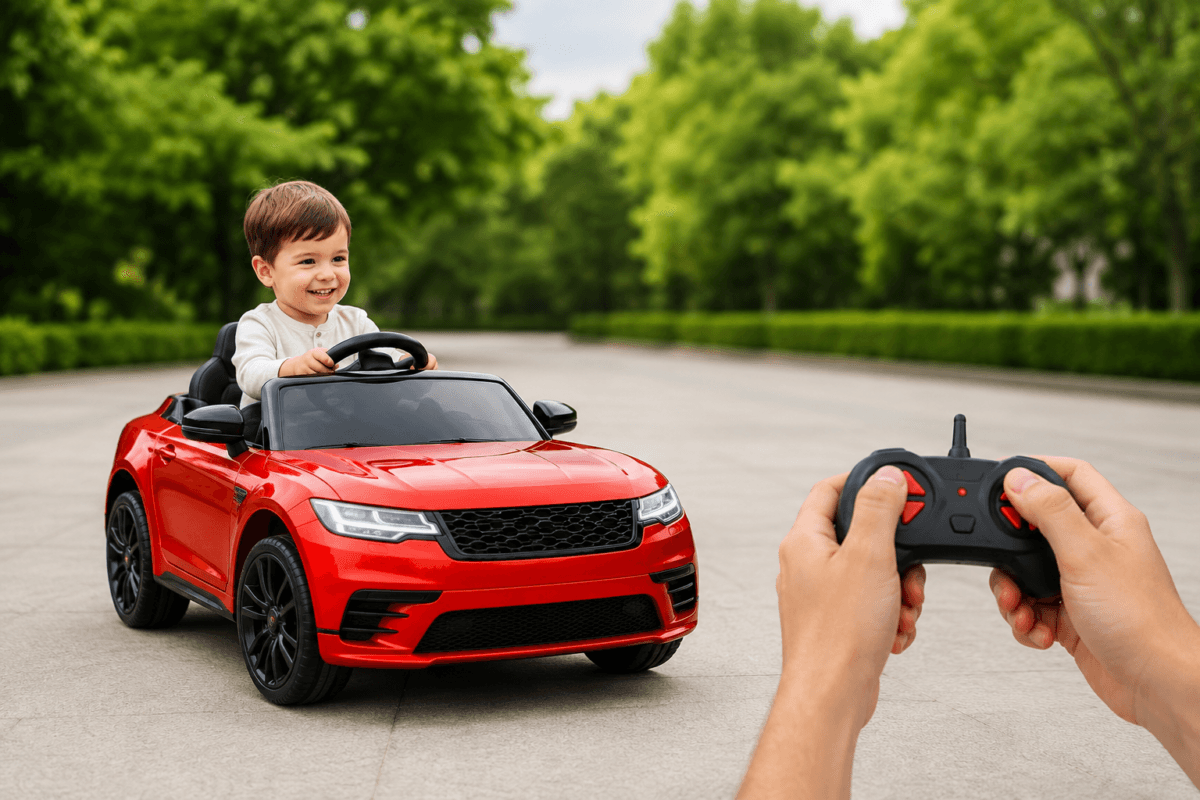
Traditional toys and puzzles might play a crucial role; however, the need for innovative toys is essential in this modern era. Remote ride on cars would be a game-changer for your kids to enhance physical activity. A remote operated ride on car serves as an interactive classroom on wheels. It bridges the gap between passive entertainment and active skill-building.
Dive through this comprehensive guide to explore how these sophisticated toys, including the highly sought-after best ride on jeep models, contribute significantly to the refinement of a child’s motor skills and overall developmental milestones.
Understanding Motor Skills in Early Childhood
Before diving into the benefits of ride-on vehicles, it is essential to understand what motor skills are. Motor skills are the movements and actions of the muscles. They are generally categorized into two groups:
- Gross Motor Skills: These involve the large muscles of the body and enable walking, running, jumping, and sitting upright.
- Fine Motor Skills: These involve the small muscles in the hands and fingers and are responsible for tasks like writing, buttoning a shirt, or gripping a steering wheel.
1. Enhancing Gross Motor Skills through Posture and Balance
When a child climbs into a remote-operated ride-on car, the first thing they master is core stability. Unlike sitting in a standard chair, sitting in a moving vehicle requires the child to constantly adjust their trunk muscles to maintain balance as the car accelerates, turns, or stops.
Core Strengthening
Navigating a best ride on jeep over slightly uneven terrain, such as grass or a driveway, can introduce vibrations and tilting. To stay upright and comfortable, a child engages their abdominal and back muscles. This active sitting is a foundational gross motor activity that strengthens the core, which is vital for later activities like sports and maintaining good posture in school.
Coordination of Limbs
Even when the parent is using the remote control, the child is often encouraged to mimic the driving motions. Eventually, as they transition to manual mode, using their legs to press the accelerator pedal while using their arms to steer creates a complex cross-body coordination.
2. Refining Fine Motor Skills and Hand-Eye Coordination
The dashboard of a high-quality remote ride-on car is often a playground for developing small muscles. Manufacturers design these vehicles with buttons, switches, and dials that mimic real cars.
Grip and Manipulation
Gripping the steering wheel requires a power grasp, while turning the key or pressing the horn requires a pincer grasp. These actions strengthen the small muscles in the hands and wrists. This strength is directly transferable to classroom skills, such as holding a pencil or using scissors.
Hand-Eye Synchronization
Steering a best ride-on jeep requires the brain to process visual information (the path ahead) and translate it into physical hand movements (turning the wheel). If a child sees an obstacle, their brain quickly signals their hands to move. This rapid-fire communication between the eyes and the hands is another milestone for your kid.
3. Spatial Awareness and Depth Perception
Spatial awareness is the ability to understand where your body is in relation to other objects. For a young child, the world is a vast, often confusing space. Driving a remote operated ride-on car helps them map their environment.
Understanding Proportions
When a child drives their car through a narrow doorway or between two cones, they are learning about the width and length of their vehicle. They begin to understand concepts such as ‘too close,’ ‘far away,’ ‘left,’ and ‘right.’
Judging Distance
Depth perception is improved as the child learns when to start braking to stop exactly in front of an object. This cognitive processing of distance and speed is a sophisticated mental exercise that happens naturally during play.
4. Cognitive Development and Problem Solving
Motor skills are not just about muscles; they are about the brain’s ability to plan and execute movement. This is often referred to as motor planning.
Decision Making
While operating a remote ride-on car, a child is constantly making decisions. “Should I go around the puddle or through it?” “If I turn the wheel this way, where will the car go?” This trial-and-error process is essential for cognitive growth.
Understanding Cause and Effect
The immediate feedback a car provides is a great teacher. Pushing the pedal makes it go; releasing it makes it stop. Turning the wheel left moves the car left. This clear cause-and-effect relationship helps children understand the impact of their physical actions on the world around them.
5. Encouraging Outdoor Play and Physical Activity
In an age of screens, getting a child outside is half the battle. A best ride-on jeep is an anchor toy, something so exciting that it draws the child outdoors.
Once outside, the play rarely stays confined to the car. Children often jump out to move obstacles, refuel their vehicle, or explore the environment their car has led them to. This movement contributes to their 60 minutes of recommended daily physical activity, promoting healthy weight and cardiovascular health.
6. Choosing the Right Vehicle for Development
Not all ride-ons are created equal. When looking for the best ride-on jeep or car to boost motor skills, consider the following features:
- Variable Speed Settings: Allows the child to start slow and increase the challenge as their reaction times improve.
- Realistic Steering: Ensure the steering wheel has a good range of motion to provide a realistic tactile experience.
- Durable Tires: For off-road jeep models, look for EVA or high-quality plastic tires that provide traction on various surfaces and challenge the child’s balance.
- Ergonomic Seating: A supportive seat helps the child maintain the correct posture for core engagement.
Experience the Best in Child Mobility with ISAKAA
Are you ready to give your child the ultimate gift of fun and development? At ISAKAA, we specialize in high-quality, durable, and safe ride-on vehicles designed to spark imagination and build essential skills. From sleek sports cars to the best ride-on jeep models equipped with advanced parental remote controls, our collection keeps your child safe as they explore.
Elevate your child’s playtime today! Visit our official website to browse our exclusive range of remote-operated vehicles and find the perfect match for your little adventurer.
FAQs
1. At what age can a child start using a remote ride-on car?
Most remote-operated cars are designed for children aged 1 to 6 years. For toddlers (1–3 years), the parental remote control is essential as they may not have the motor skills to steer manually. As they grow (3–6 years), they can transition to manual driving.
2. How does a remote operated ride-on car improve hand-eye coordination?
It requires the child to process what they see (an obstacle or a path) and simultaneously move their hands on the steering wheel to navigate. This synchronization of visual input and physical output is a core component of hand-eye coordination.
3. Is a jeep-style ride-on better for motor skills than a standard car?
A best ride-on jeep often features larger wheels and higher suspension, allowing it to go over grass or slightly bumpy terrain. Navigating these uneven surfaces requires greater core engagement and balance from the child, providing a slightly better gross-motor workout.
4. Can these cars be used indoors, or are they strictly for outdoor use?
While they can be used indoors if you have enough space, outdoor use is generally better for motor skill development. The outdoors offers more varied terrain, longer decision-making paths, and more complex spatial challenges.
5. Are remote ride-on cars safe for children who haven’t mastered walking yet?
Yes, provided the car has a secure seatbelt and a parental remote control. Since the parent has 100% control over the speed and direction, even a child who is still finding their footing can safely enjoy the vehicle’s sensory and balance-building benefits.