
Kids Bike
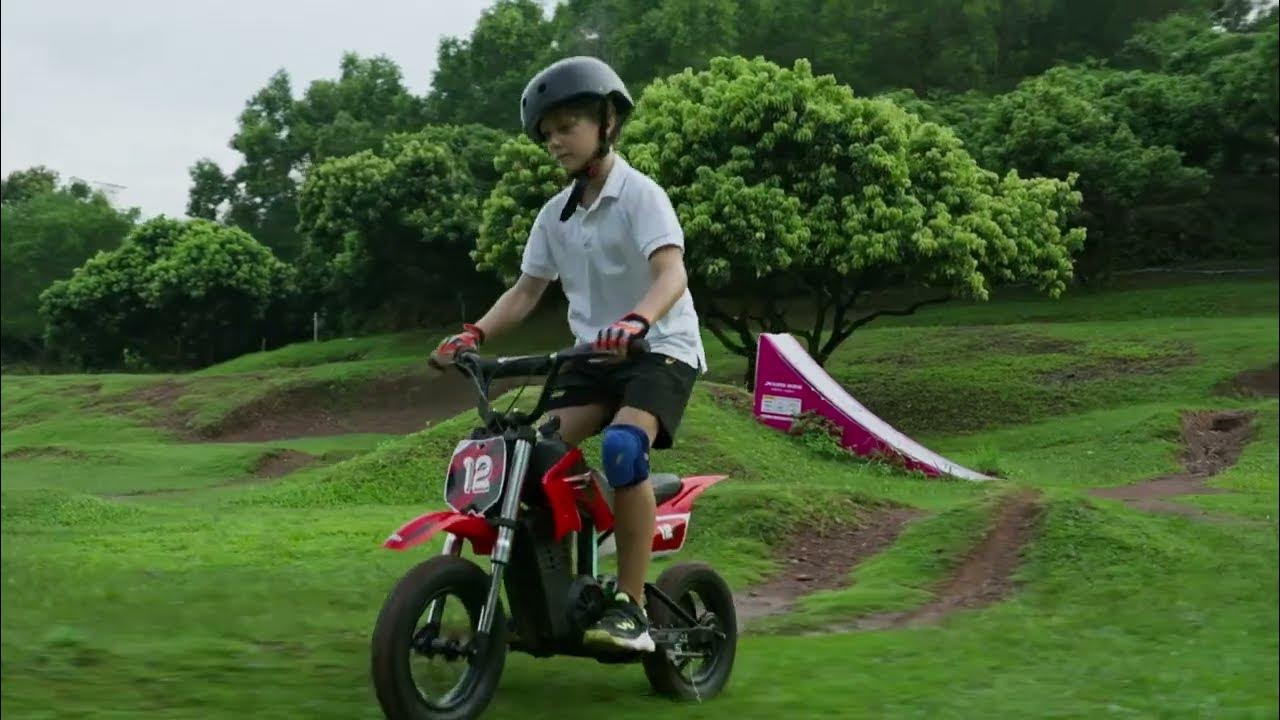
Kids Electric Bike: A Smart & Safe Riding Choice for Growing Children
Feb
Modern kids’ toys are no longer just about entertainment, they play a vital role in physical development, confidence-building, and outdoor engagement. One such evolving category is the kids electric bike, a battery-powered riding solution designed specifically for young riders. Combining fun, safety, and learning, electric bikes for kids offer a balanced introduction to riding without the complexity of fuel-based vehicles.
This guide explains what kids’ electric bikes are, how they work, their benefits, safety aspects, and how parents can choose the right one for their child.
What Is a Kids Electric Bike?
A kids electric bike is a two-wheeled, battery-powered ride-on designed for children. Unlike standard pedal bikes, these bikes operate using rechargeable batteries and controlled acceleration, making them easier for kids to ride and manage.
They are often confused with scooters or motorcycles, but kids’ electric bikes are built with child-friendly speeds, simplified controls, and enhanced safety features. Many parents consider them a natural progression after tricycles or manual bicycles.
How Does a Kids Electric Bike Work?
Most electric bikes for children run on rechargeable batteries, commonly available in 6V, 12V, or 24V variants. Power is delivered through a motor that controls speed smoothly and safely.
A battery operated ride on bike usually includes:
- Throttle or push-button acceleration
- Forward and sometimes reverse modes
- Speed limiters suitable for kids
- Rechargeable battery with charging adapter
The controlled power output ensures children can enjoy riding without sudden acceleration or instability.
Key Features of Battery Operated Ride-On Bikes
A well-designed battery operated ride on bike includes features that prioritize safety while keeping the riding experience exciting:
- Training wheels or balanced frames for stability
- Anti-slip tires for better grip
- Comfortable seating with ergonomic design
- LED lights and sound features for realism
- Easy start/stop mechanisms
These features help children learn balance and coordination gradually while staying safe.
Benefits of Kids Electric Bikes
1. Supports Physical Development
Riding a kids electric bike helps improve balance, coordination, and posture. Even though the bike is powered, children actively engage their bodies while steering, balancing, and controlling movement.
2. Encourages Outdoor Activity
Electric bikes motivate kids to spend more time outdoors, reducing screen dependency and promoting healthier play habits.
3. Builds Confidence and Independence
Learning to control a powered bike helps children feel confident and independent. Over time, they develop better decision-making and spatial awareness.
4. Smooth Transition to Advanced Riding
A battery operated ride on bike serves as an excellent stepping stone before moving to pedal bikes or advanced ride-ons. It familiarizes kids with acceleration and braking in a controlled environment.
Safety Considerations Parents Should Know
Safety is a primary concern when choosing a kids electric bike. Parents should keep the following points in mind:
- Always choose age-appropriate models
- Ensure the bike has speed control features
- Use safety gear like helmets when riding outdoors
- Supervise younger children during use
- Avoid steep slopes and rough terrain
Battery-powered bikes are designed for controlled environments, making supervision an important part of safe usage.
Choosing the Right Kids Electric Bike
When selecting a kids electric bike, parents should consider:
- Age & height compatibility – The bike should allow the child to sit comfortably with feet touching the ground.
- Battery power – Lower voltage is ideal for beginners; higher voltage suits older kids.
- Weight capacity – Ensure the bike supports the child’s weight safely.
- Build quality – Strong frames and stable wheels are essential for long-term use.
A good battery operated ride on bike should feel stable, responsive, and easy for the child to control.
Maintenance and Battery Care
Proper maintenance extends the life of an electric bike:
- Fully charge the battery before first use
- Avoid overcharging or deep discharging
- Store the bike indoors when not in use
- Clean wheels and body regularly
- Check wiring and controls periodically
With simple care, a kids electric bike can remain reliable for years.
Why Electric Bikes Are a Long-Term Toy
Unlike many toys that lose relevance quickly, kids’ electric bikes grow with the child. Younger kids can ride with supervision, while older children gain more independence and control.
Their durable construction, rechargeable batteries, and engaging design make them a long-term addition to a child’s play routine rather than a short-lived novelty.
Where Fun Meets Responsible Riding with ISAKAA
Choosing the right electric bike is about balance, fun for the child and confidence for the parent. ISAKAA offers thoughtfully selected kids electric bikes that meet safety expectations while delivering an exciting riding experience. Every model is designed to support a child’s development, encourage outdoor play, and provide smooth performance.
With genuine guidance, tested products, and dependable support, ISAKAA helps parents make informed choices across all ride-on categories, from electric bikes to options like remote ride on car models, ensuring every ride is enjoyable, secure, and memorable.
FAQs
1. What age is suitable for a kids electric bike?
ANS- Most kids’ electric bikes are suitable for children aged 2 to 8 years, depending on size and battery power.
2. Is a battery operated ride on bike safe for beginners?
ANS- Yes, these bikes are designed with low speeds and stability features, making them suitable for first-time riders.
3. How long does the battery last on an electric bike for kids?
ANS- Battery life typically ranges from 60 to 120 minutes, depending on usage and terrain.
4. Can kids’ electric bikes be used outdoors?
ANS- Yes, they are suitable for flat outdoor surfaces such as driveways, gardens, and parks.
5. What maintenance does a kids electric bike require?
ANS- Basic charging care, regular cleaning, and periodic checks of controls and battery health are sufficient.