
Kids Jeep
Ride On Jeep: A Complete Guide for Parents Choosing the Perfect Adventure Ride
Feb
Childhood play has evolved far beyond traditional toys. Today, ride-ons combine fun, learning, and physical development in one exciting package. Among all options available, the ride on a jeep has emerged as one of the most popular and practical choices for kids. Designed to mimic real vehicles, these ride-ons offer a perfect balance of entertainment, safety, and skill development.
This guide helps parents understand what a ride on jeep is, how it works, its benefits, safety considerations, and how to choose the right model for their child.
What Is a Ride On Jeep?
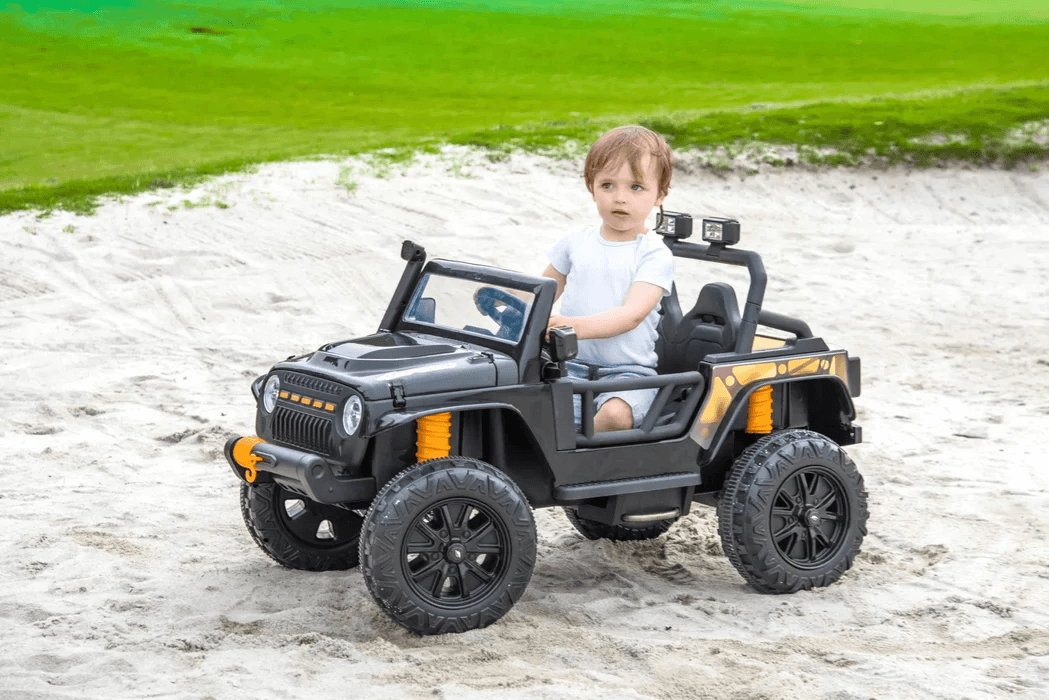
A ride-on jeep is a battery-powered vehicle designed for children, styled like a real SUV or off-road jeep. It allows kids to sit comfortably, steer, and drive at safe speeds suitable for their age. Most models are built with wide wheels, strong frames, and realistic features such as headlights, horns, music systems, and dashboard controls.
Unlike basic ride-on toys, jeeps are known for their stability and ability to handle different surfaces, making them suitable for both indoor and outdoor use.
How Does a Ride On Jeep Work?
Ride-on jeeps typically operate on rechargeable batteries, commonly available in 6V, 12V, or 24V variants. The power capacity determines speed, strength, and the ability to carry weight.
Many modern models come with a remote control ride on jeep, which allows parents to take control of the vehicle when needed. This feature is especially useful for toddlers or first-time riders who are still learning how to steer and manage movement safely.
The dual-mode functionality, manual driving by the child and remote operation by parents, makes these jeeps adaptable for different age groups and confidence levels.
Key Features of Modern Ride On Jeeps
A high-quality ride on a jeep usually includes a combination of safety, comfort, and entertainment features. Some common features include:
- Seat belts for added safety
- Wide, anti-skid wheels for balance
- Shock absorbers for smoother rides
- LED headlights and tail lights
- Music, Bluetooth, or USB connectivity
- Forward and reverse driving modes
A remote control ride on a jeep often includes emergency stop functions and speed control, giving parents peace of mind during outdoor play.
Benefits of Ride On Jeeps for Children
1. Improves Motor Skills
Driving a ride-on helps children improve hand-eye coordination, steering control, and spatial awareness. Using pedals, steering wheels, and buttons enhances both fine and gross motor skills.
2. Encourages Outdoor Play
In an age dominated by screens, a ride on jeep motivates children to play outdoors, stay active, and explore their surroundings.
3. Builds Confidence and Independence
Learning to drive their own vehicle helps kids feel confident and independent. Gradually transitioning from parent-controlled mode to self-driving builds decision-making skills.
4. Supports Imaginative Play
Children often role-play as drivers, explorers, or adventurers, which boosts creativity and storytelling abilities.
Safety Considerations Parents Should Know
Safety is one of the biggest reasons parents choose a remote control ride on jeep. Important safety aspects include:
- Always supervising younger children during use
- Using the remote control mode for beginners
- Ensuring the child wears proper footwear
- Avoiding steep slopes or uneven terrain
- Charging the battery as per manufacturer guidelines
Choosing the right size and power capacity based on your child’s age and weight is critical for safe usage.
Choosing the Right Ride On Jeep
When selecting a ride on jeep, parents should consider:
- Age suitability: Toddlers generally need lower speeds and full remote control support.
- Battery power: Older kids may enjoy 12V or 24V models with better torque.
- Terrain use: Off-road tires are better for gardens and outdoor paths.
- Weight capacity: Ensure the jeep supports your child comfortably.
A remote control ride on a jeep is highly recommended for parents looking for maximum control during early stages.
Maintenance and Care Tips
Proper care ensures longevity and performance:
- Charge batteries fully before first use
- Avoid overcharging
- Clean wheels and body regularly
- Store indoors when not in use
- Periodically check wiring and controls
Regular maintenance keeps the ride on jeep safe and enjoyable for years
Unlike short-lived toys, ride on jeeps grow with the child. Younger kids can use parental control, while older children enjoy independent driving. Their durable build and adaptable features make them a long-term investment rather than a temporary purchase.
Discover the Joy of Driving with ISAKAA
Choosing the right ride-on is about more than just fun, it’s about safety, quality, and trust. ISAKAA offers carefully tested ride-on jeeps designed to deliver realistic driving experiences while keeping children safe at every stage. With expert guidance, genuine support, and a wide selection of models, parents can confidently choose the perfect vehicle for their child’s age and needs.
Whether you’re exploring ride-ons or expanding your child’s collection alongside options like kids electric bikes, ISAKAA ensures every ride is smooth, secure, and filled with joy. Because at ISAKAA, childhood adventures are built to last.
FAQs
1. What age is suitable for a ride on a jeep?
ANS- Most rides on jeeps are suitable for children aged 1.5 to 8 years, depending on battery power and size.
2. Is a remote control ride on a jeep safe for toddlers?
ANS- Yes. Parental remote control allows adults to guide and stop the vehicle, making it ideal for younger children.
3. How long does the battery last on a ride in a jeep?
ANS- On average, a fully charged battery lasts between 1 to 2 hours, depending on usage and terrain.
4. Can riding on jeeps be used outdoors?
ANS- Yes. Many models are designed for both indoor and outdoor use, including gardens and driveways.
5. What maintenance does a ride on a jeep require?
ANS- Basic charging care, regular cleaning, and occasional checks of controls and wheels are usually sufficient.