
Kids Bike
Toy Motorbike Ride On Vs Bicycle: Which Helps Kids Build Balance Faster?
Feb
If you’ve ever watched a child take their first confident turn on a powered ride on, you know it’s more than just play-it’s pride, excitement, and a little bit of freedom all rolled into one.
Over the last couple of years, battery-powered kids’ vehicles have gained immense popularity across Indian cities, especially in apartments where outdoor play is limited. From compact bikes to larger jeeps, parents are investing more thoughtfully now. And one thing many people don’t realise at first is that the battery truly decides how long the fun lasts.
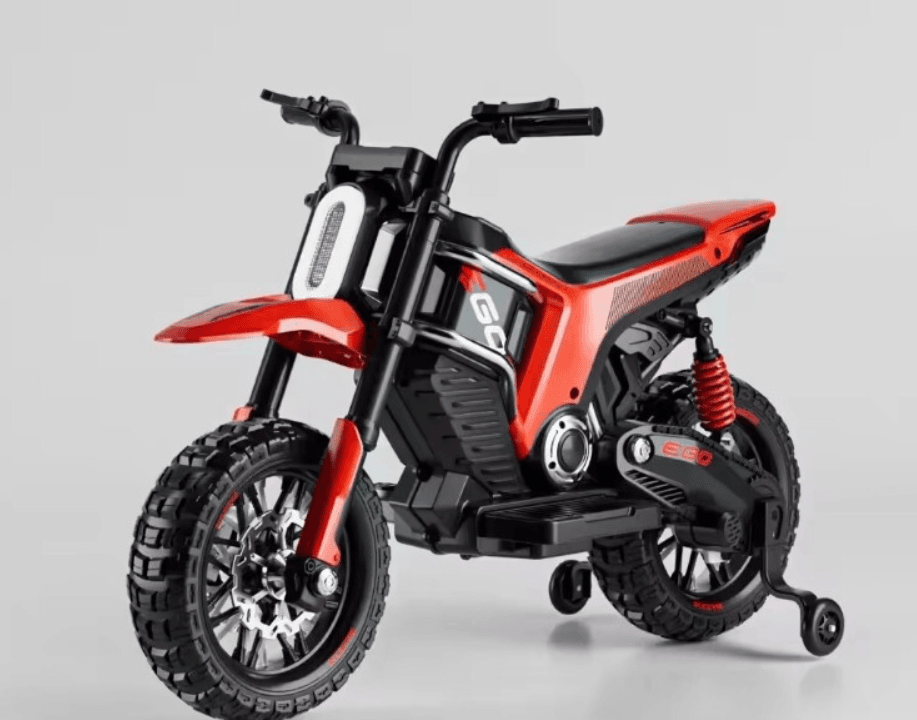
Whether it is a sturdy toy motorbike ride-on for a toddler or a larger ride on jeep for an older child, good battery care makes a visible difference. With the right habits, these toys can stay in great working condition for years, instead of months.
Why Does the Battery Matters More Than You Think?
Most kids’ electric ride-ons in India employ sealed rechargeable batteries. You generally see 6V, 12V, or even 24V setups, depending on the size and power of the vehicle. It has been observed that battery-related complaints are faced in ride-on toy service issues. This is not because the batteries are poor in quality; rather, it is usually because of charging mistakes or storage habits. The well-maintained battery can last easily for 18 to 24 months. The neglected one may start to suffer within six months. It really is as simple as that.
First Charge Sets the Tone
Many parents can’t wait to let their child ride the minute the box is opened. Understandable. But the first charge is critical. New batteries require a full initial charge – typically 8 to 10 hours – even when the power indicator shows some partial power.
It makes no difference whether it is a compact, toy motorbike ride-on or a heavier best ride on jeep with multiple motors. Skipping or cutting the first charge short often leads to reduced capacity later on. Look at it as breaking in a new pair of shoes: do it properly once, and everything feels so much better afterwards.
Avoid Overcharging and Deep Draining
One is the myth that the longer it charges, the longer the ride time. In fact, overcharging is one of the fastest ways to shorten battery life. When the recommended charging time is complete, unplug it. Leaving the charger connected overnight, day after day, slowly damages the internal cells.
On the other hand, letting it completely run out of charge before recharging is equally damaging. If your child is slowing down or the lights shine less brightly, then that’s your cue to charge it. A good practice is to replenish when there is around 20 to 30 per cent power left. A habit that can be carried right through from a simple toy motorbike ride on to a feature-heavy ride on jeep.
How Often Should You Charge?
Usage patterns matter. If your child rides daily, short charging cycles are better than one long session at the end of the week. Also, if the toy is used only on weekends, then a top-up charge midweek helps keep the battery healthy.
Interestingly, the producers of batteries indicate that idle batteries lose charge themselves, even if they are not used. This means that if the on-ride is kept in the parking for several weeks during school examinations or when people are travelling, the battery should still be charged once every two to three weeks.
Storage Temperature Makes a Difference
The weather in India is very harsh for batteries. The extreme heat particularly affects the batteries. Avoid storing ride ons on balconies or near windows where direct sunlight falls for hours together. Ideally, it should be indoors in a dry, shaded area.
It is more than common for cities like Delhi or Hyderabad to cross 40 degrees Celsius during peak summer months. At this temperature, batteries age faster. A best ride on jeep with a more significant-sized battery is even more sensitive to heat buildup due to its size.
Clean Connections Mean Better Performance
Few remember this, but dust and dampness around the terminals of batteries reduce efficiency. Worth checking connectors every couple of months, at least. Just a fast wipe with a dry cloth will do. No water, no sprays.
In such a situation, when you find loose wiring or inconsistent power, it is better to stop using the toy and consult. Reputable brands like ISKAA provide after-sales support for battery replacements, too, as a way of saving parents from hazardous homemade repairs.
Matching Battery Care to Usage Style
Not all kids use their ride-ons for the same purpose. Some love to cruise indoors slowly, while others go hard on their vehicles outdoors. A ride on jeep used on slopes or uneven surfaces naturally consumes more power than a smooth indoor ride. That does not mean the battery is weak, but it just means it needs slightly more frequent charging and rest in between sessions.
Giving the battery time to cool down between long rides is a small habit that pays dividends. Continuous, back-to-back rides without breaks can only overheat the battery needlessly.
Why Are ISKAA Ride-Ons Easier to Maintain?
Parents who buy from ISKAA often mention peace of mind as a big factor. Our ride-ons have practical battery access, proper ventilation, and compatible chargers. More importantly, replacement batteries and spare parts are available, which is rare in this category.
Whether it be a toy motorbike ride on for the little one or a best ride-on jeep for the adventurous, knowing that support is out there makes ownership a lot easier in the long term. ISKAA also offers guidance through its customer support for querying parents on charging or storage, which can help prevent common mistakes.
Small Habits That Keep the Fun Going
Caring for your batteries doesn’t have to be a super technical thing. It’s all about the routine involved, which is proper charging, avoiding extremes in temperature and use, storing it wisely, and being attentive to the first signs of a power drop. It’s these little steps that lengthen not just battery life but also the fun your child gets from their ride-on.
A well-tended ride on jeep often becomes a part of childhood memory, to be handed down to siblings or cousins. And that alone, quite frankly, is a fairly decent value for any parent.
Ready to Make Every Ride Last Longer?
Ride-ons are no longer just toys but they are confidence-building experiences, teaching independence to kids. With thoughtful battery care, that experience will last so much longer.
If you are looking for reliable, child-friendly electric ride-ons with proper after-sales support and options for batteries, ISKAA offers a range designed for real families and real usage. Taking care of the battery is taking care of the smiles that come with each ride.
FAQs
1. How long does a battery usually last in a kids’ ride-on vehicle?
Most ride-on batteries can last anywhere between 18 and 24 months with proper charging and storage; poor charging habits reduce this time significantly.
2. Can a ride-on toy be charged overnight?
That’s okay if you charge it overnight every now and then, but on a regular basis, it causes damage to the battery. It is better to unplug once the recommended charging time is complete.
3. If my child only uses a ride-on on weekends, how often should I charge it?
Even with light use, the battery should be charged once every two to three weeks. This prevents deep discharge and helps in maintaining the health of your batteries.
4. Does using it outdoors have an effect on the life of the batteries?
Yes, outdoor riding on rough or uneven surfaces uses more power. Allowing the battery to have short breaks between rides will help prevent overheating and wear.
5. Can Ride-on batteries be replaced if performance drops?
Yes, batteries can be replaced when they are no longer holding a charge properly. Choosing brands offering compatible replacement batteries makes it easier to use them in the long term.